
Free power · 1 November 2026 · 5 min read
How to make the most of free power hours
A free power window only helps if you move real loads into it. A practical room by room guide for Victorian homes, with and without a battery.
A free power plan is a trade. You get free electricity for a few hours in the middle of the day, and in return the rates at other times, and often the daily supply charge, are higher. The Victorian Government's own guidance on its Midday Power Saver says it plainly: if you cannot shift your use into the free window, another plan may well be cheaper.
So the question is not "is free power good?" but "how much of my use can I move?" Here is a practical way to work through it.
Start with the biggest loads
Not every appliance is worth the effort. The Victorian Government groups household loads roughly like this:
- Very high: EV charging and home battery charging.
- High: electric heating and cooling, electric hot water, clothes dryers and pool pumps.
- Medium: ovens, cooktops, dishwashers, washing machines and vacuums.
- Low: TVs, lighting, fans and small appliances.
Moving one high load into the window does more than moving every low one. Start at the top of the list.
Hot water
Electric hot water is often the single biggest load you can move, and it is happy to run at any time of day because the tank holds the heat.
- Heat pumps usually have a built in timer. Set it to run inside your free window.
- Electric storage tanks are often wired to a separate controlled load circuit that runs overnight. This is the catch: on the Midday Power Saver and the retailer free power plans we have looked at, controlled load is billed separately and is not part of the free window. To heat that tank for free at midday it would need to be moved onto your main circuit or given a timer, which is a job for a licensed electrician. Ask what it involves before you assume the hot water is covered.
Washing, drying and the dishwasher
Most modern machines have a delay start. Load them in the morning, set them to start just after the window opens, and stagger them so they are not all running at once. A dryer is the one to prioritise, because it draws far more than a washing machine.
Pool pumps and spas
Pool pumps run for hours and usually sit on a simple timer. Move the run time into the free window and, if your window is three hours, check that it is long enough for the filtration your pool needs. A spa heater is a good candidate for the same treatment.
Heating and cooling
This is where a bit of planning helps with comfort as well as cost.
- In summer, cool the house during the free window, close the blinds, and let the building carry that cool into the late afternoon. The hours from 4pm onwards are when peak rates usually apply.
- In winter, warm the house in the middle of the day so it is already comfortable when the evening starts, then run the heating at a lower setting later.
How well this works depends on your insulation, so treat the first few weeks as a trial. A slow cooker or batch baking in the window helps a little too.
EV charging
An EV is one of the largest loads a house can have, and most EV chargers can be scheduled. Two things to watch:
- The cap. Everything in the house during the window counts towards the daily free limit. On the Midday Power Saver that is 24 kWh, and a 7 kW charger running for three hours would use about 21 kWh before anything else in the house is counted. Some plans also limit each hour.
- Spreading the load. The government's guidance is to spread big loads across the window rather than starting them together, to reduce the chance of tripping breakers. If your switchboard or wiring is old, talk to a licensed electrician before you add a charger and a battery to the same three hours.
Without a battery
Without a battery, the only way to use free power is to use it while it is free. That makes timers your best friend. Set them once, check the bill after a month, and adjust. Households where someone works from home are best placed, but timers mean you do not need to be there.
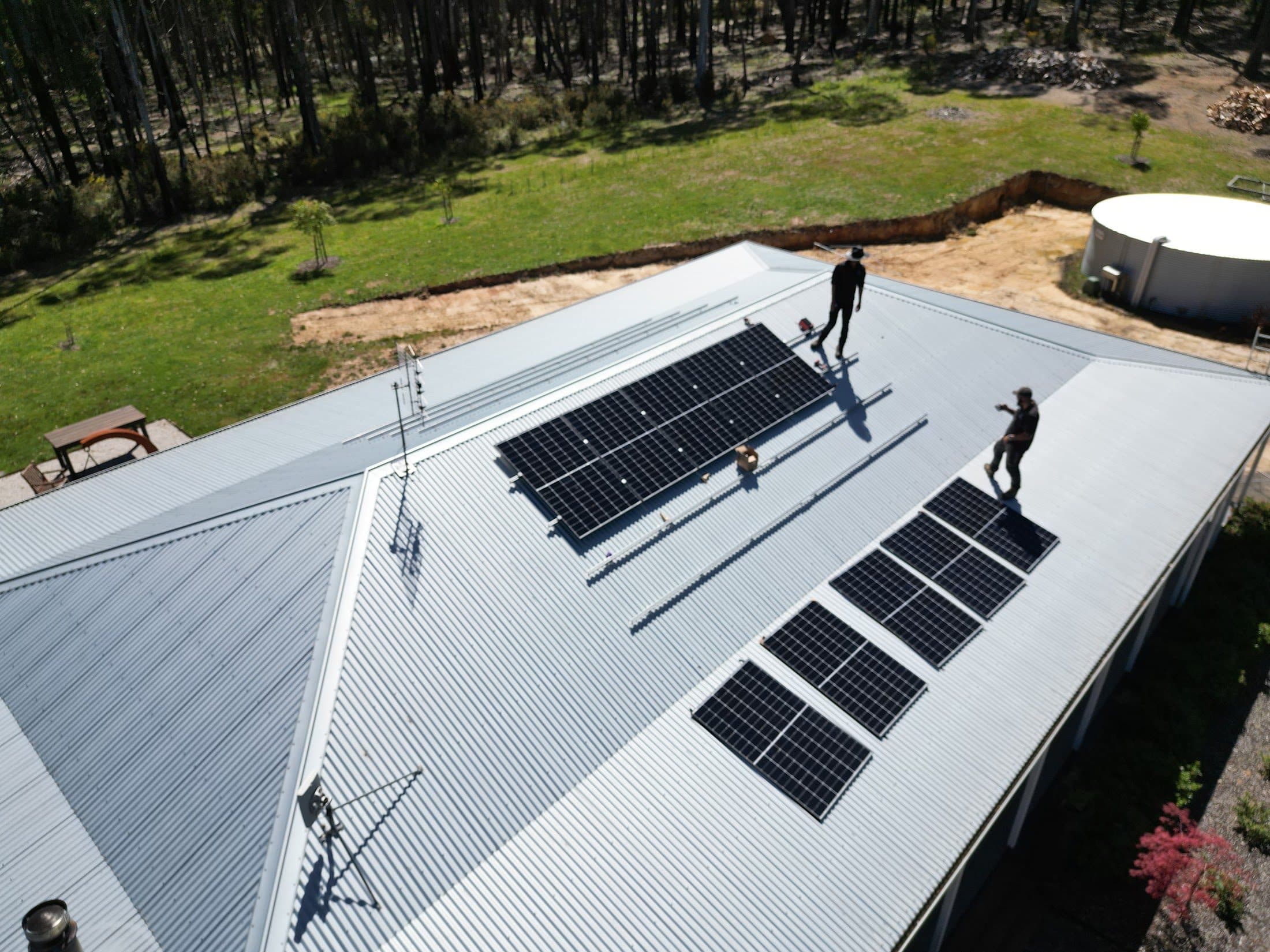
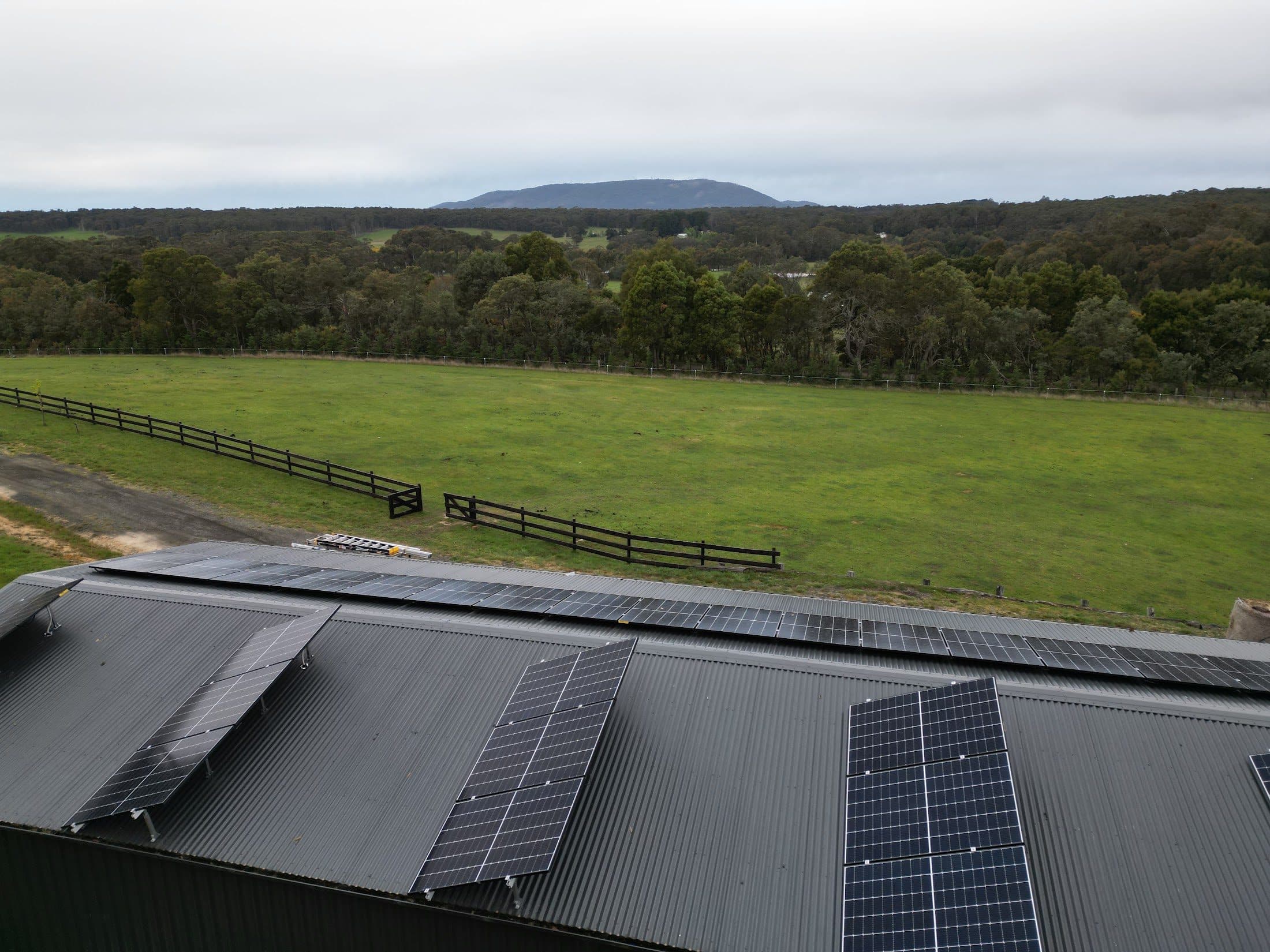
If you already have solar panels, remember they are producing in the middle of the day too. On a sunny day your panels may already be covering the house at midday, so the free window adds most on cloudy days, and the value is in moving loads out of the evening.
With a battery
A battery changes the picture, because it lets you store midday energy for the evening. On days when your solar is low, a battery set to charge from the grid during the free window can carry free energy into the 4pm to 9pm period, when the grid is most expensive. That is exactly what the Victorian Government suggests for battery and EV owners.
It needs the right settings and a plan whose cap suits the battery size. We go through this in our guide to charging a home battery from free power, and you can read more about how batteries work on our home batteries page.
A simple checklist
- List your big loads and when they run today.
- Put timers on hot water, the dishwasher, washing machine, dryer and pool pump.
- Pre cool or pre heat the house in the window.
- Schedule EV and battery charging, and keep the daily cap in mind.
- Stagger big loads across the window.
- Check your next bill and adjust.
See what your own home could look like
If you are thinking about adding solar or a battery so more of your day runs on your own power, you can design a system on your own roof from an aerial photo and see a real installed price.