
Batteries · 1 November 2026 · 5 min read
What size battery does my home need?
A plain guide to sizing a home battery in Victoria, from your evening and overnight use to your solar, winter, inverter limits and why bigger is not always better.
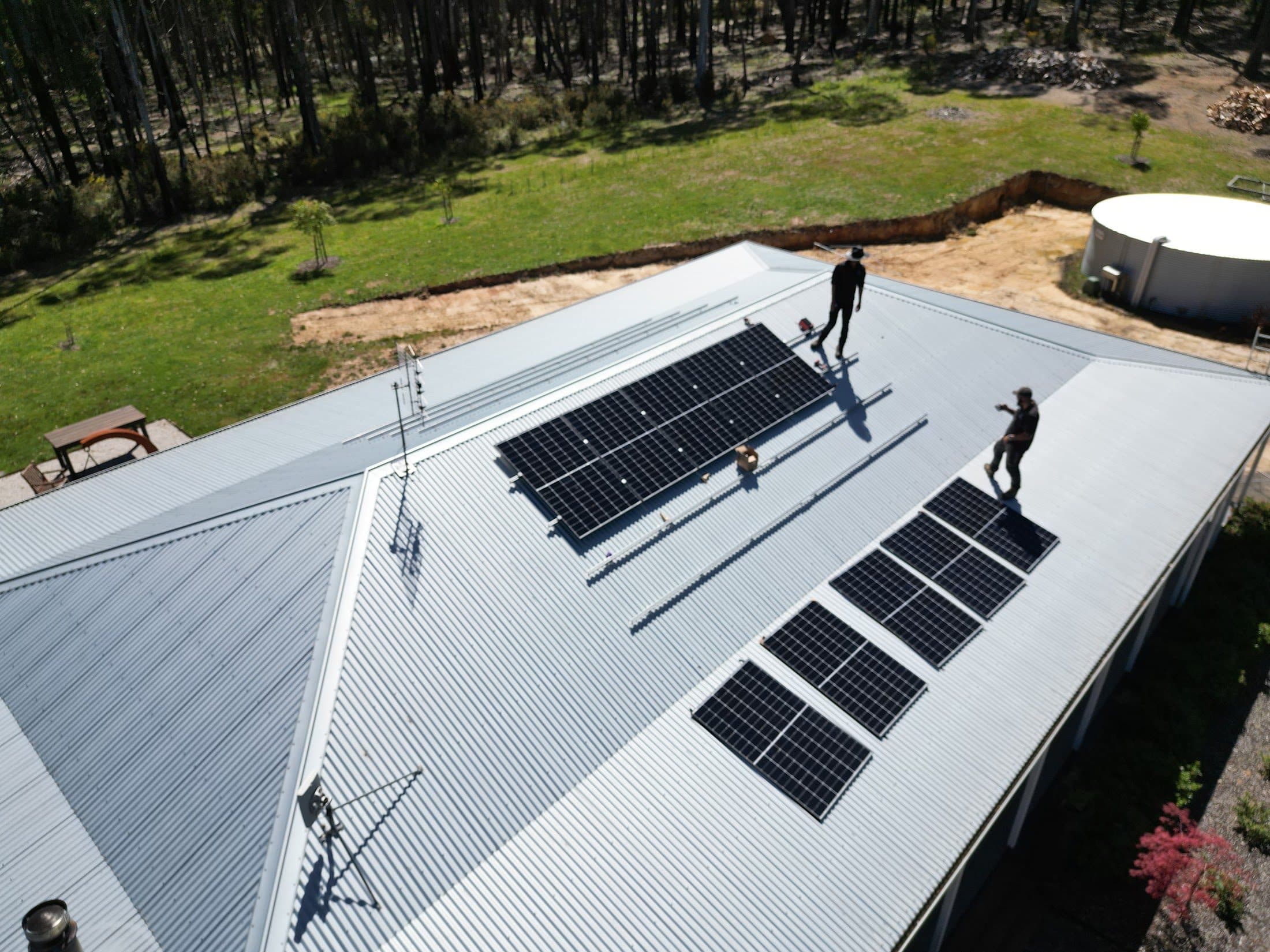
A battery that is too small fills by lunchtime and runs flat before bed. One that is too big costs more and may never fill. Solar Victoria puts it simply: the right size depends mostly on the size of your solar, how much energy you use overnight, and whether you want backup in a blackout. Here is how to work through each one.
kWh and kW are different things
Two numbers describe a battery:
- Capacity, in kWh, is how much energy it can hold. Think of it as the size of a water tank.
- Power, in kW, is how fast it can deliver that energy. Think of it as the flow rate out of the tap.
Capacity decides how long the battery can run your home. Power decides how many appliances it can run at once. If the kettle, oven and heating all start together and ask for more than the battery's rated power, the extra comes from the grid.
Also look at usable capacity, not just the headline number. Batteries are never fully emptied, so the usable figure is a little lower. For lithium batteries the gap is small, around 5% to 10%, and the federal discount is calculated on usable capacity.
Start with your evening and overnight use
A battery mostly earns its place between sunset and sunrise, when your panels stop making power. So the first number to find is how much electricity your home uses from late afternoon until the sun is back on the panels the next morning.
A rough way to think about it:
- Work out your usage from about 4 pm to 8 am on a typical day.
- Take off anything you could easily move into the day, like the dishwasher, washing machine or a heat pump hot water timer.
- What is left is roughly the battery capacity that would carry you through most nights.
If you plan to add an electric car or swap gas appliances for electric, allow for that now, as Solar Victoria recommends.
Your bill and meter data do the hard work
You do not have to guess. Your bill shows your total use and often splits it into peak, shoulder and off-peak amounts. Better still, if you have a smart meter your retailer can give you interval data showing your use through every part of the day. A few weeks of that data, including some winter weeks, is the most reliable way to size a battery.
Your solar has to fill it
A battery is only useful if there is spare solar to put in it. The federal energy guidance says it plainly: a battery does not make sense on a small solar system with little excess. As a rule of thumb, look at how much power your panels send to the grid on an ordinary day. If you only export a few kWh, a large battery will rarely charge from solar alone.
That is why we size panels and battery together.
Plan for winter
Victoria's short winter days are the real test. Your panels make much less in June than in December, and your evening use usually goes up with heating and lights. A battery sized only on summer figures may fill every day in January and sit half empty in July. Look at both seasons. Many homes choose a size that fills on most days of the year rather than one that only fills on the sunniest.
The cost of oversizing
DCCEEW's advice is that bigger is not always better, and that a battery too large for your solar or your inverter can limit the benefit to you and to the grid. Since 1 May 2026 the federal discount also tapers as the battery grows. The first 14 kWh of usable capacity gets the full rate, each kWh from 14 to 28 kWh gets 60% of it, each kWh from 28 to 50 kWh gets 15%, and nothing above 50 kWh counts. So every extra kWh past 14 costs you more out of pocket than the ones before it.
After that change came in, the Clean Energy Regulator saw the average battery installed under the program drop from 36 kWh in April 2026 to 23 kWh in May and June, with the fall concentrated in the largest systems, which lost the most support.
Solar Victoria also notes that fully cycling a battery two or three times a day can shorten its life.
Inverter limits
The inverter is what turns the battery's stored energy into power for your home, and it sets limits of its own. Its power rating caps how much the battery can deliver at once, and its charging limit caps how fast solar can top the battery up. A large battery behind a small inverter may struggle to fill on a short winter day and cannot run big loads all at once. DCCEEW suggests talking to your installer about your daily use, your solar and your inverter's output together, rather than picking a battery on its own.
Some batteries are modular, so you can start smaller and add modules later. Check that yours can be expanded before you buy.
Backup changes the answer
If you also want the battery to keep the lights on in a blackout, you may want a little more capacity held in reserve, and the system needs to be designed for backup from the start. We cover that in will my battery keep the lights on in a blackout?
Putting it together
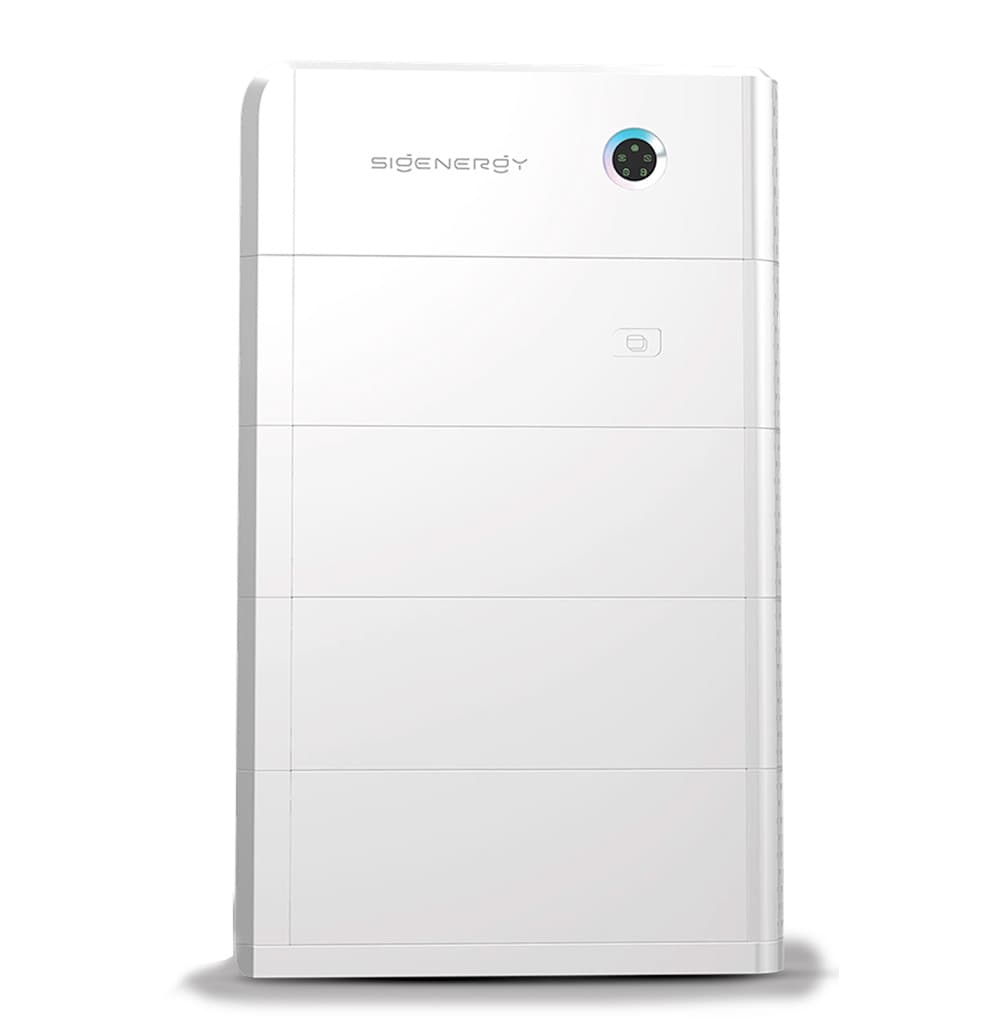
A good size is one that fills from your own solar on most days, carries your evening and overnight use, and fits your inverter. Our home batteries page shows the options we install. When you are ready to try sizes on your own home, lay out your panels and battery on your own roof and see the installed price change as you go.