
Batteries · 1 November 2026 · 5 min read
Virtual power plants in Victoria, explained
What a virtual power plant is, what you can get from joining one, what to check in the contract first, and how the VPP-ready rule in the federal battery program works.
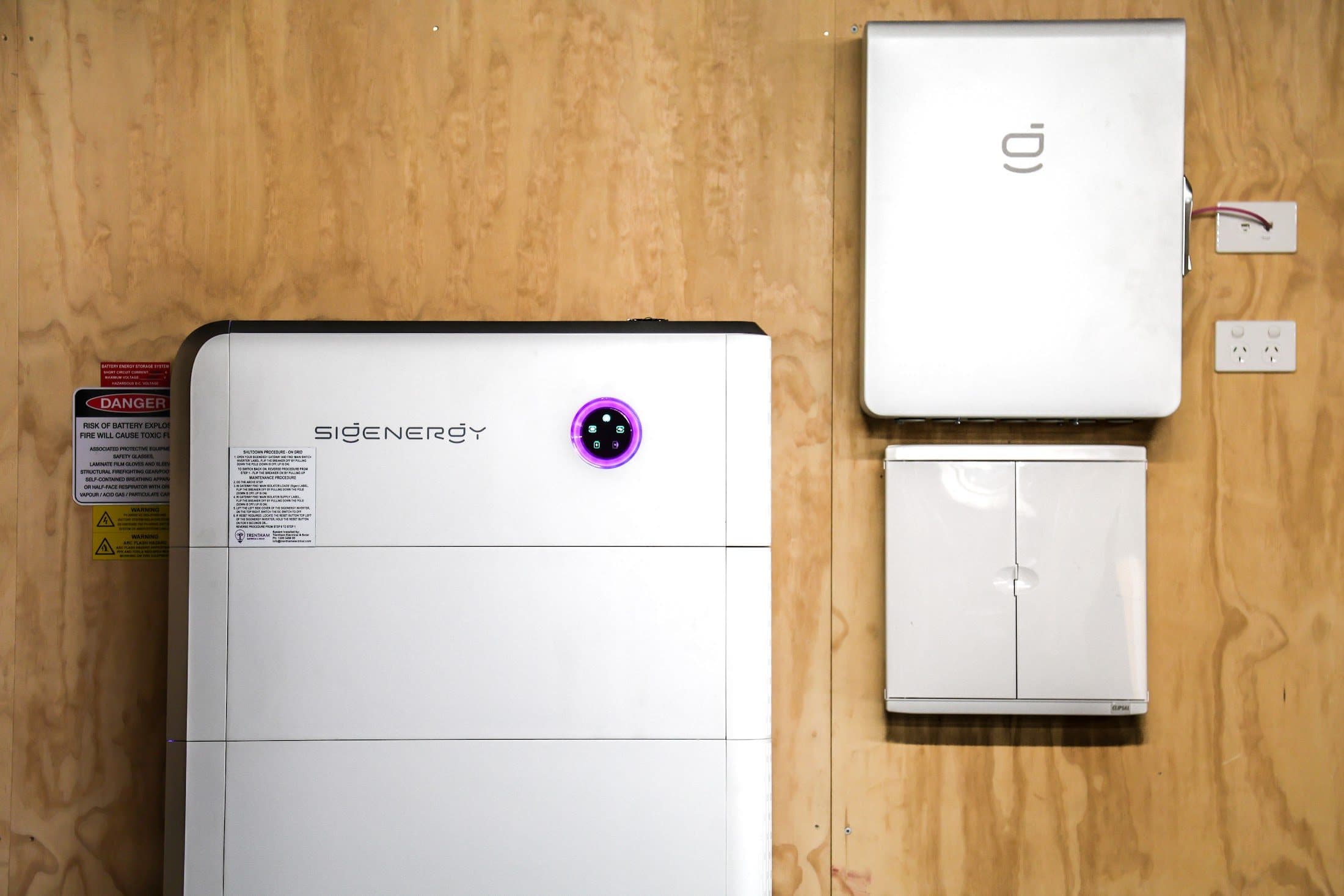
If you are getting a battery, someone will mention a virtual power plant, or VPP. It can be a good fit for some homes and a poor fit for others, so it is worth understanding before you sign anything.
What a VPP is
A virtual power plant links many home batteries together with software so they can act like one power station. Each battery holds only a small amount of energy, but thousands of them together hold a lot. The operator, usually an energy retailer or a company working with one, can draw a little from each battery when the grid is under pressure, such as a hot summer evening, and send that energy into the network.
Solar Victoria describes the aim as balancing supply and demand on the grid. The CER describes enrolled batteries releasing stored energy during peak periods. For you, it means your battery sometimes works for the grid as well as for your house.
What you can get from joining
Benefits vary a lot between programs. Solar Victoria lists the kinds of rewards on offer:
- a discount on your energy bill
- a credit on your bill for energy shared from your battery
- an upfront discount on the cost of a battery
- sign up bonuses, or a higher rate than your normal feed in tariff when the operator uses your battery
How much any of that is worth depends on the program you join and how often your battery is called on. There are also wider benefits: Solar Victoria notes that VPPs can help keep supply steady at peak times and may help lower costs across the network.
What you give up
Joining means handing some control of your battery to someone else. Solar Victoria's guidance lists the things to weigh up:
- The VPP provider can access your battery at times of its choosing, so you will not have full control.
- You may lose the option of charging the battery from the grid at the times that suit your own off peak rates.
- You may need to sign up with a particular energy retailer, on its electricity rates, and there may be an exit fee if you leave.
- Extra charging and discharging could shorten the battery's life or affect its warranty.
There is also the question of backup. If you have a backup system, check how much of the battery the operator can empty. Some programs keep part of the battery aside for outages and some do not.
What to check before you sign
Read the terms carefully. Solar Victoria and the CER suggest checking things like these:
- How low they can take the battery. Some contracts set a floor, for example no lower than 20% charge.
- How often they can use it. Look for a limit on the number of events a year and how much energy they can draw each time.
- The warranty. Ask the battery maker whether VPP use affects the warranty, and check how the warranty counts cycles or energy throughput.
- The contract length and exit fee. Know what it costs to leave and what happens to any upfront discount if you do.
- The electricity plan attached to it. Compare the whole plan, not just the VPP credits. A generous credit on a plan with dear rates may leave you worse off.
- Which batteries qualify. Many programs only accept specific battery brands or models.
- How you will see what is happening. Most programs give you an app or portal to track what your battery shares.
Keep monitoring once you have joined. The CER suggests checking the VPP is working for you throughout the contract. Note that the CER does not get involved in contracts between you and a retailer or VPP operator, so a dispute goes to the retailer first and then to the Energy and Water Ombudsman Victoria.
The VPP-ready rule in the federal program
The federal Cheaper Home Batteries Program requires every grid-connected battery it supports, including the inverter, to be capable of joining a VPP. According to DCCEEW, that means the inverter can:
- connect to the grid and to outside parties, directly or indirectly
- receive and respond to remote signals
- use a communications protocol that lets it take instructions from those outside parties
The important part is that you do not have to join one. Both DCCEEW and the CER say participation is optional. You can join when the battery goes in, join later, or never join. If you do join later, the CER notes you may need extra hardware or software depending on the system, and you will need an ongoing internet connection.
So the rule is about keeping the door open, not pushing you through it.
Victoria specifics
In Victoria the rewards come from whichever retailer or operator you choose. You may read about a state payment for joining a VPP, but that is the New South Wales incentive and it applies to NSW homes. Solar Victoria ran an aggregation and VPP pilot under the Solar Homes Program, which it describes as now in a research phase. Batteries on Solar Victoria's product list are VPP capable. The Australian Energy Market Commission has published comparisons of VPP offers, including which ones need a specific battery.
Is it right for you?
A VPP tends to suit people who are happy to let someone else run their battery some of the time in return for a credit or a cheaper battery, and who are comfortable with the retailer's plan. It suits people less if they want full control, depend on backup, or already have a plan that works well with their battery. You can always install a VPP-ready battery now and decide later.
To see a VPP-ready battery priced for your home, try a design on your own roof, and have a look at the batteries we install.